About Henry Scott Tuke
Henry Scott Tuke was born in York in 1858 and died in 1929. He was an English visual artist; primarily a painter, but also a photographer.
His most notable work was in the Impressionist style, and he is probably best known for his paintings of nude young men.
Tuke was encouraged to draw and paint from an early age and some of his earliest drawings—from when he was four or five years old—were published in 1895.
In 1875, Tuke enrolled in the Slade School of Art under Alphonse Legros and Sir Edward Poynter. Initially his father paid for his tuition but in 1877 Tuke won a scholarship, which allowed him to continue his training at the Slade and in Italy in 1880. From 1881 to 1883 he was in Paris where he met Jules Bastien-Lepage, who encouraged him to paint en plein air. While studying in France, Tuke decided to move to Newlyn, Cornwall where many of his Slade and Parisian friends had already formed the Newlyn School of painters. He received several lucrative commissions there, after exhibiting his work at the Royal Academy of Art in London.
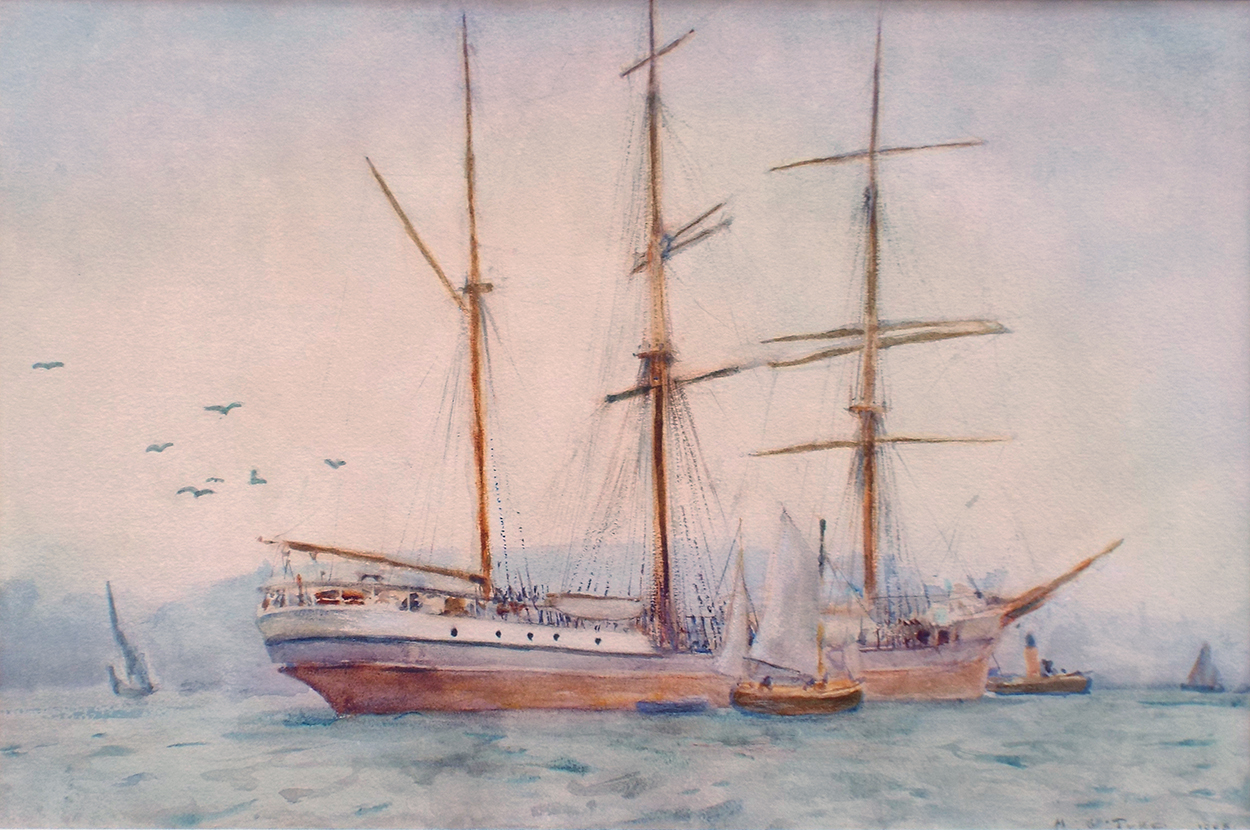
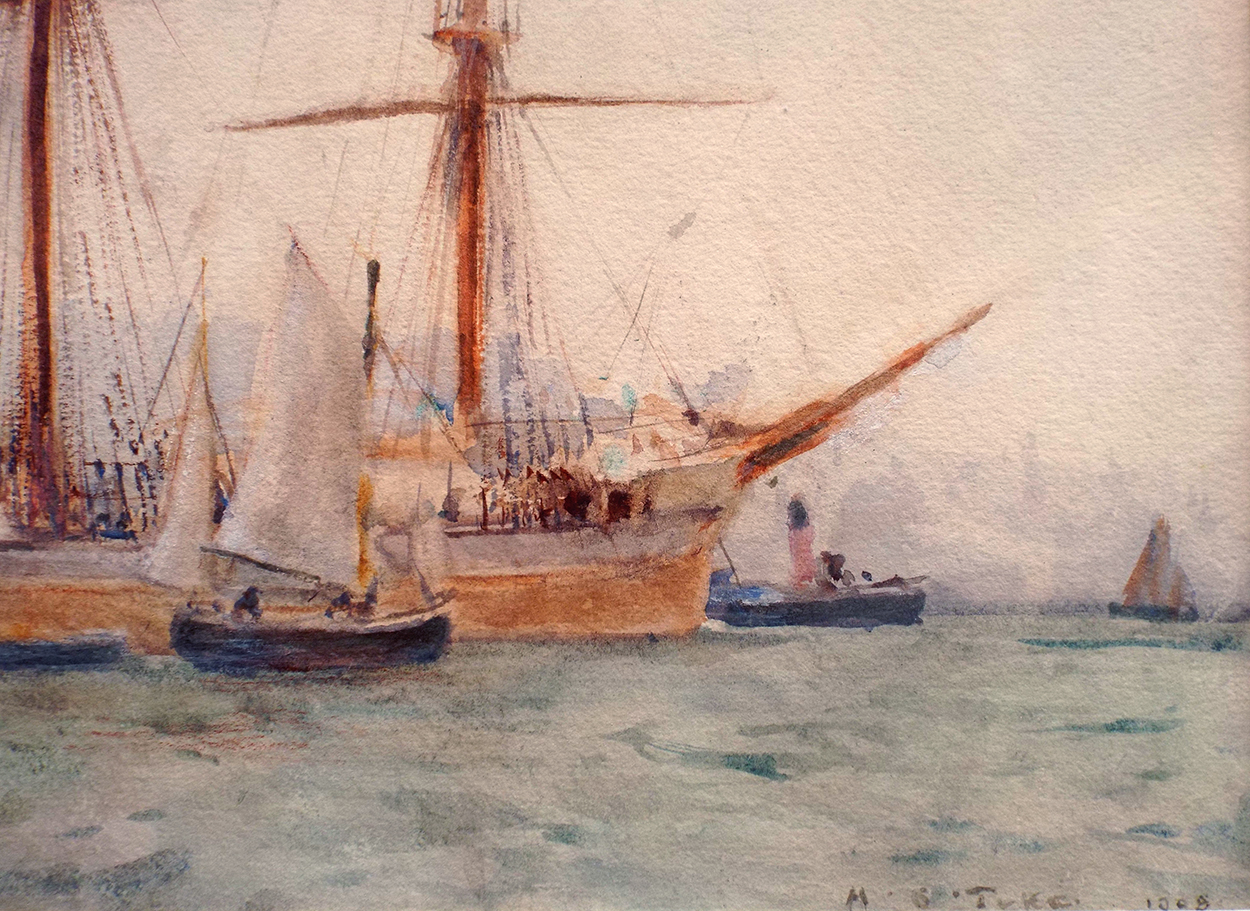
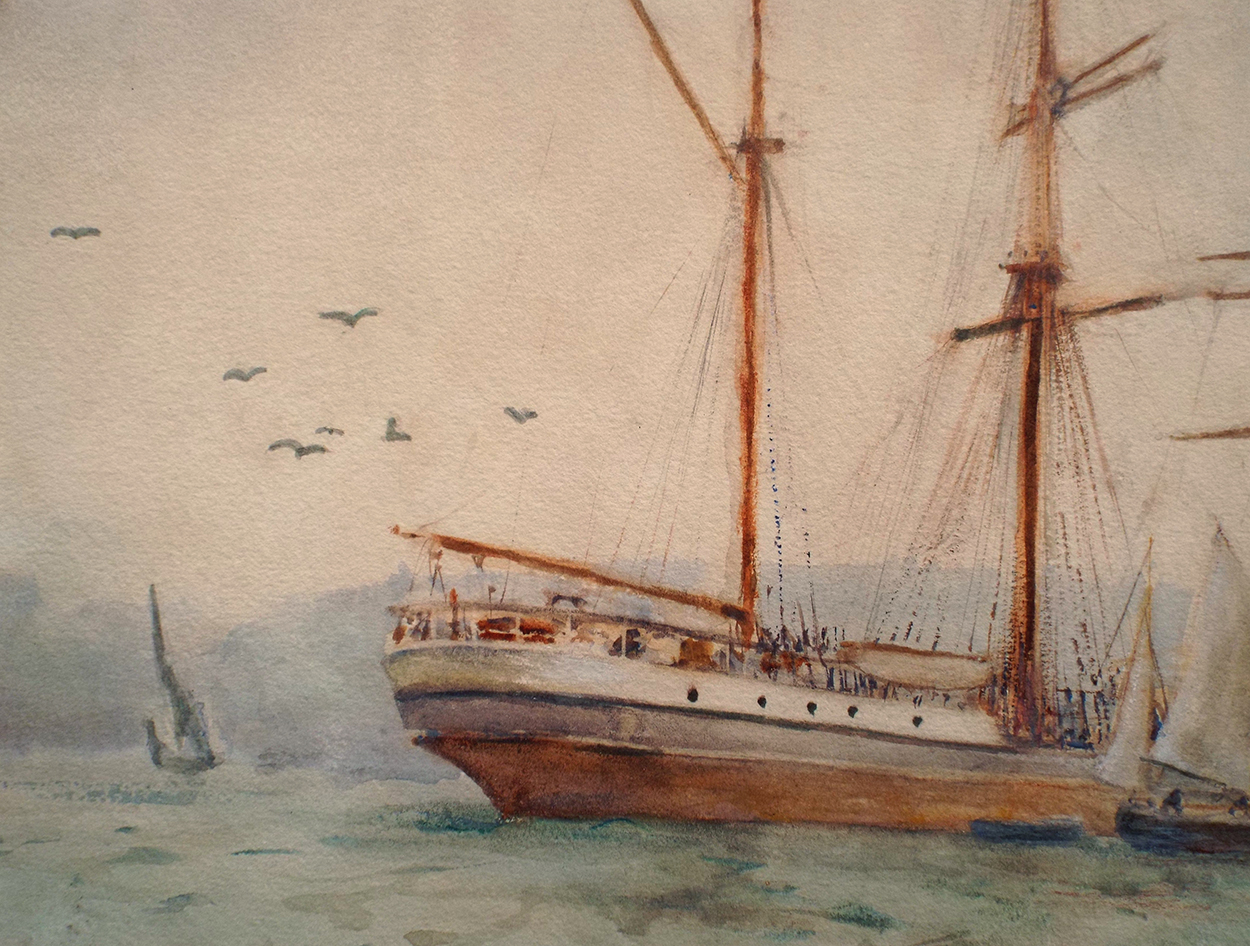
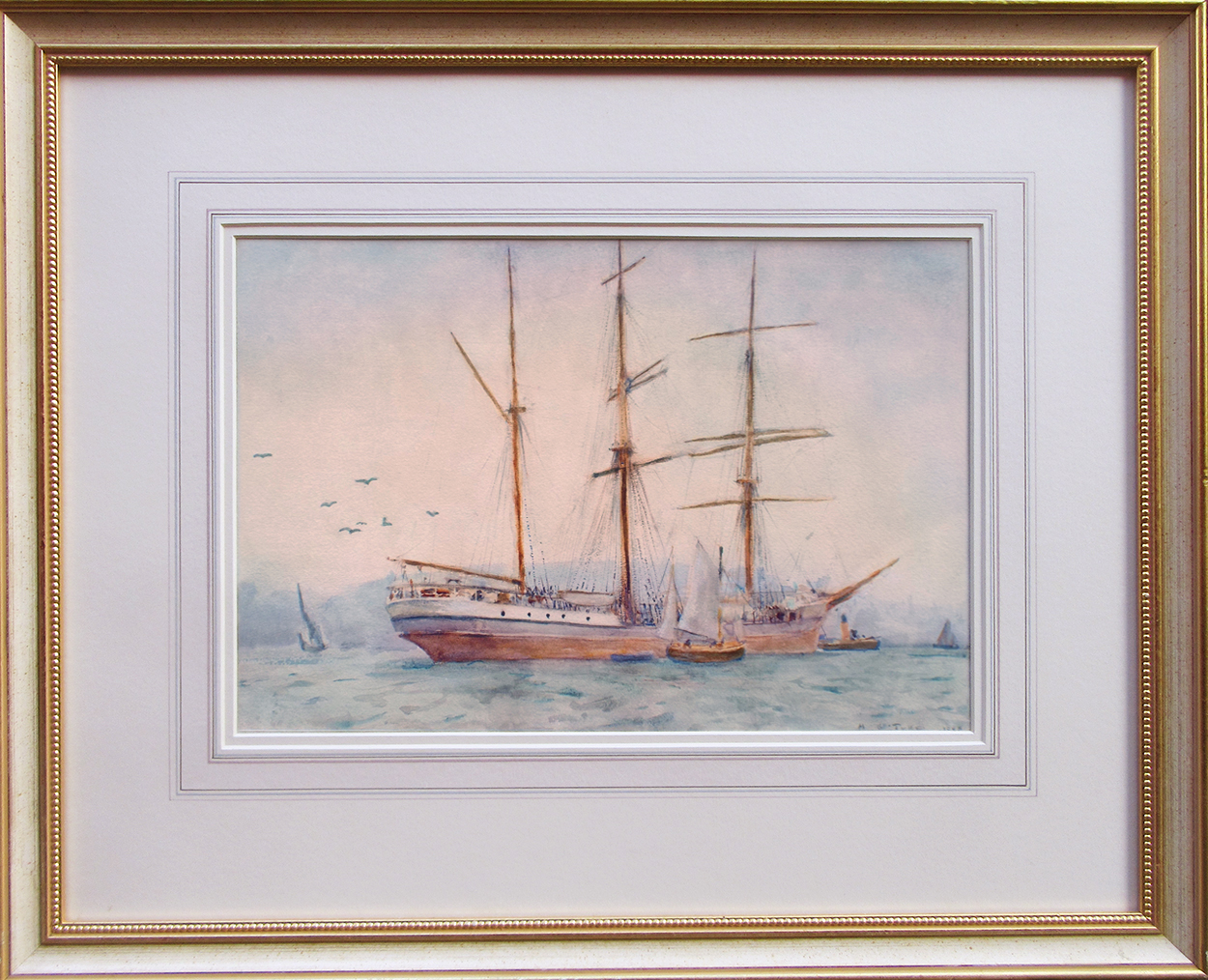
In 1885, Tuke returned to Falmouth where many of his major works were produced. Tuke became an established artist and was elected to full membership of the Royal Academy in 1914. Tuke suffered a heart attack in 1928 and died in March, 1929. Towards the end of his life Tuke knew that his work was no longer fashionable. In his will he left generous amounts of money to some of the men who, as boys, had been his models. Today he is remembered mainly for his oil paintings of young men, but in addition to his achievements as a figurative painter, he was an established maritime artist and produced as many portraits of sailing ships as he did human figures. Tuke was a prolific artist—over 1,300 works are listed and more are still being discovered.
Exhibited at the Royal Institute, Royal Institute of Oil Painters, Royal Scottish Academy, Fine Art Society, Royal Hiberian Academy, Walker Art Gallery Liverpool, Manchester & Birmingham Art Gallery.